

In-home ABA therapy is a form of Applied Behavior Analysis that takes place in a child’s home environment rather than in a clinic or center. Families looking for personalized autism support often choose in-home ABA therapy because it allows children to learn important communication, social, behavioral, and daily living skills in the setting where they spend most of their time. At Aim Higher ABA, in-home ABA therapy is designed to help children build meaningful skills through individualized programs that fit into their daily routines. Families who are exploring in-home ABA therapy often want to know how it works, what a typical session looks like, and whether it is the right fit for their child. Many families also begin with an ABA assessment to better understand their child’s strengths, challenges, and therapy needs.
How In-Home ABA Therapy Works
In-home ABA therapy is based on the principles of Applied Behavior Analysis, which uses evidence-based strategies to help children learn new skills and reduce behaviors that may interfere with learning and daily life. During therapy sessions, a trained behavior technician works directly with the child in the home while following a treatment plan created by a Board Certified Behavior Analyst (BCBA).
The process usually begins with an initial assessment. During this stage, the BCBA observes the child, talks with parents, reviews developmental concerns, and identifies goals. These goals may include communication, social interaction, emotional regulation, self-care, play skills, following routines, or reducing challenging behaviors.
Once the assessment is complete, the BCBA creates a personalized treatment plan that outlines the child’s goals, teaching methods, and progress tracking. Therapy sessions are then scheduled around the family’s availability and daily routine. Because therapy happens at home, the child can practice skills in real-life situations, such as getting dressed, brushing teeth, eating meals, playing with siblings, or following bedtime routines.
Many families prefer in-home ABA therapy because it allows the therapy team to see how the child interacts in their natural environment. This can provide more accurate insight into daily challenges and help create strategies that are more meaningful and practical for the child and family.
Benefits of In-Home ABA Therapy
There are several reasons why families choose in-home ABA therapy for children with autism. One of the biggest benefits is that therapy takes place in a familiar and comfortable setting. Children often feel more relaxed at home, which can make it easier for them to participate in learning activities and build trust with their therapist.
Another important benefit is that skills can be taught in the exact place where they are needed. For example, if a child struggles with morning routines, the therapist can work directly on getting dressed, brushing teeth, packing a backpack, or transitioning out the door. If mealtime is a challenge, the therapist can help with sitting at the table, trying new foods, or using communication during meals.
In-home ABA therapy also allows for greater parent involvement. Parents and caregivers can observe sessions, learn strategies from the therapy team, and practice using those techniques throughout the day. This level of involvement often helps children make more consistent progress because the skills taught during therapy are reinforced outside of sessions.
Additional benefits of in-home ABA therapy may include:
- Personalized learning based on the child’s home environment
- Greater flexibility with scheduling
- Reduced stress from traveling to a clinic
- Support for daily living and self-care routines
- Opportunities to involve siblings and other family members
- More direct parent coaching and guidance
- Real-life practice with routines and behaviors
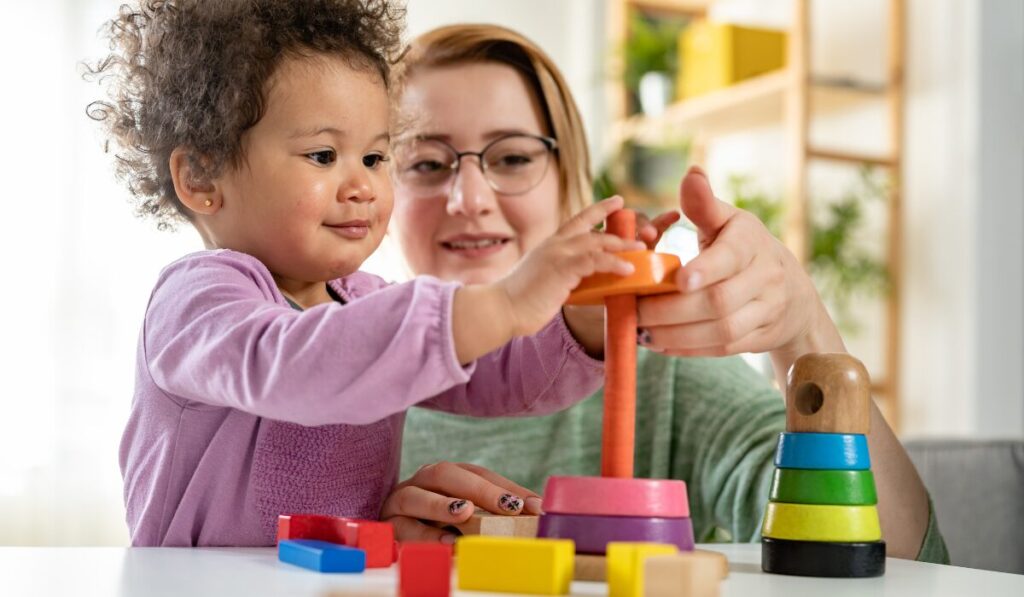
For many families, in-home ABA therapy provides a practical way to support growth while making therapy feel like a natural part of daily life. Families looking for more information about personalized home-based services can explore in-home ABA therapy services to learn how treatment is tailored to each child.
Who In-Home ABA Therapy Helps
In-home ABA therapy can help children with autism at different ages and stages of development. Some children benefit from early intervention services when they are toddlers or preschool-aged, while others may need support during school-age years or adolescence.
Children who may benefit from in-home ABA therapy often include those who:
- Have difficulty communicating wants and needs
- Struggle with transitions or daily routines
- Need support with social interaction and play
- Show behaviors that interfere with learning or family life
- Need help with toileting, dressing, eating, or hygiene
- Have difficulty following directions or staying focused
- Benefit from learning in familiar environments
In-home ABA therapy can be especially helpful for children who feel overwhelmed in new places or who respond better when learning takes place in a comfortable environment. Because therapy is individualized, goals are tailored to the child’s strengths, challenges, and family priorities.
What a Typical In-Home ABA Session Looks Like
A typical in-home ABA session may look different depending on the child’s age, goals, and attention span. Some sessions focus heavily on play-based learning, while others may involve routines, communication exercises, behavior support, or social interaction.
At the beginning of a session, the therapist may spend a few minutes helping the child transition into therapy activities. This could include playing with favorite toys, using preferred activities, or reviewing a visual schedule.
The session may then include a variety of skill-building tasks such as:
- Practicing communication through words, pictures, gestures, or devices
- Learning how to follow directions and complete routines
- Working on social skills like turn-taking and sharing
- Practicing daily living skills such as dressing or cleaning up
- Using positive reinforcement to encourage desired behaviors
- Reducing behaviors that interfere with learning
- Supporting emotional regulation and coping skills
Therapists often break skills into smaller steps so children can learn gradually and feel successful along the way. For example, if a child is learning how to brush their teeth independently, the therapist may teach one step at a time until the child can complete the full routine.
At the end of the session, the therapist may review progress with parents and share ideas for practicing skills between visits. This ongoing communication helps families stay involved and understand how their child is progressing.
Parent Involvement in In-Home ABA Therapy
Parent involvement is one of the most important parts of successful in-home ABA therapy. Because parents spend the most time with their child, they play a major role in reinforcing skills outside of therapy sessions.
During parent training, caregivers may learn how to respond to behaviors, encourage communication, use positive reinforcement, and support routines at home. These strategies can help create consistency throughout the child’s day.
Families do not need to become ABA experts to support their child’s progress. Small changes, such as using the same language as the therapist or practicing a skill during a routine activity, can make a big difference over time.
Parents who are interested in learning more about caregiver support can explore parent training and family involvement as part of an in-home ABA program. Parent coaching can help families reinforce therapy goals, improve consistency, and support progress between sessions.
How to Get Started With In-Home ABA Therapy
Getting started with in-home ABA therapy usually begins with contacting a provider for an assessment. During the first conversation, families may discuss concerns, ask questions, and learn more about available services.
The next step is often a formal assessment, where the BCBA evaluates the child’s current skills, behavior patterns, and developmental needs. This information is used to create a personalized treatment plan.
After the treatment plan is approved, therapy sessions are scheduled. Families typically work with the therapy team to determine the best times for sessions and the goals they want to prioritize.
When choosing a provider, parents may want to ask questions such as:
- How are therapy goals selected?
- How often will the BCBA supervise sessions?
- What role do parents play in treatment?
- How is progress measured?
- How are therapy plans adjusted over time?
- Does the provider offer ongoing communication and support?
Families who are ready to begin can learn more about ABA assessments and in-home ABA therapy services through Aim Higher ABA. Starting with a personalized assessment can help determine whether in-home ABA therapy is the best fit for a child’s needs and family goals.
Conclusion
Families often choose in-home ABA therapy because it allows children to learn in a familiar setting while building skills that matter in daily life. Therapy can be integrated into routines, family activities, and real-life situations, making progress more meaningful and practical.
For children with autism, learning in the home environment can support communication, independence, self-care, emotional regulation, and positive behavior. Parents also benefit from having direct access to the therapy process and opportunities to learn strategies they can continue using outside of sessions.
In-home ABA therapy is not a one-size-fits-all service. Every child has different strengths, challenges, and goals. A personalized treatment plan helps ensure that therapy is focused on the areas that matter most to the child and family.
Families looking for individualized support can explore in-home ABA therapy services through Aim Higher ABA to learn how home-based therapy can help children build skills and confidence over time. Families can also learn more about ABA assessments and parent training to better understand the full support available through an in-home ABA program.
FAQs
What is in-home ABA therapy?
In-home ABA therapy is a type of Applied Behavior Analysis that takes place in a child’s home. It focuses on helping children learn communication, social, behavior, and daily living skills in their natural environment.
How does in-home ABA therapy work?
In-home ABA therapy works by using personalized treatment plans developed by a BCBA. Therapists visit the child’s home to practice skills, reduce challenging behaviors, and help children apply what they learn during daily routines.
What are the benefits of in-home ABA therapy?
The benefits of in-home ABA therapy include learning in a familiar setting, greater parent involvement, flexible scheduling, and the ability to practice skills in real-life situations such as meals, playtime, and bedtime routines.
Who can benefit from in-home ABA therapy?
Children with autism who need support with communication, social skills, routines, behavior management, or daily living skills may benefit from in-home ABA therapy. Therapy is individualized based on the child’s specific needs and goals.
What happens during an in-home ABA session?
An in-home ABA session may include communication practice, play-based learning, social skills, behavior support, daily living activities, and parent coaching. Sessions are adjusted based on the child’s age, goals, and learning style.
How involved are parents in in-home ABA therapy?
Parents are often very involved in in-home ABA therapy. They may observe sessions, receive coaching, practice skills with their child, and learn strategies to support progress outside of therapy sessions.
How do I get started with in-home ABA therapy?
To get started with in-home ABA therapy, families usually contact a provider for an initial assessment. The provider then creates a personalized treatment plan and schedules sessions based on the child’s needs and family routine.

 Previous Post
Leave Your Comment