
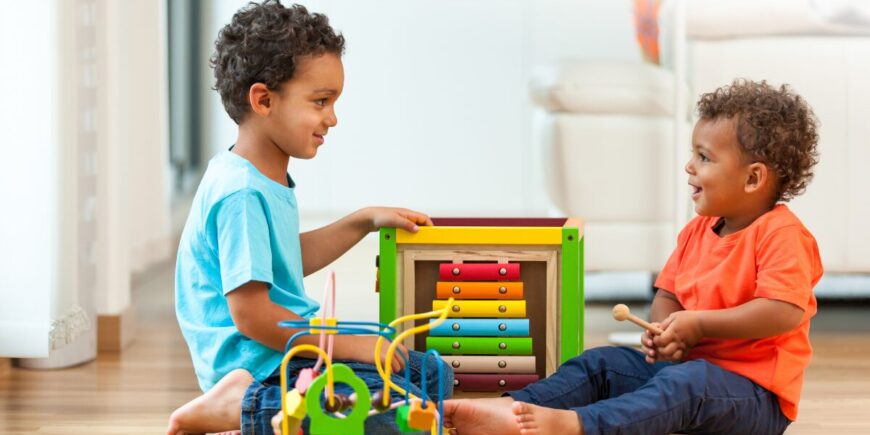
Teaching patience and waiting skills is a fundamental part of a child’s developmental journey. These abilities are crucial for building self-regulation, cooperation, and social interaction skills. For families working with ABA therapy, understanding practical strategies can help children gradually improve their capacity to wait, manage impulses, and tolerate delays in daily routines. This article offers evidence-informed ABA Therapy tips for parents and caregivers to support skill development at home.
Understanding the Importance of Patience and Waiting
Patience and waiting are foundational life skills. Children who struggle to wait may exhibit frustration, impulsivity, or difficulty following multi-step directions. Learning to wait effectively helps with transitions, group activities, and cooperative play. In ABA therapy, these skills are typically developed using structured teaching, reinforcement strategies, and gradual exposure to waiting situations.
Many parents find it challenging to support waiting skills at home, especially when daily routines involve immediate demands or high levels of stimulation. The following ABA Therapy tips can guide families in creating consistent opportunities for practice.
Begin with Clear and Simple Instructions
Children respond best when expectations are clear and concise. When introducing waiting tasks, use straightforward language such as, “First we wait, then you can have the toy.” Visual cues, timers, or simple gestures can reinforce understanding, providing a concrete signal that waiting is required.
Breaking down complex tasks into smaller, manageable steps prevents overwhelm and promotes success. For example, instead of asking a child to wait for five minutes, start with thirty seconds and gradually increase the duration over time. This approach aligns with the principles applied by aba therapy services and helps children experience consistent success while building confidence.
Implement Positive Reinforcement
Reinforcement is a core principle of ABA therapy. Positive reinforcement strengthens desired behaviors, making it more likely that a child will practice patience and waiting in future situations.
Use immediate, meaningful rewards when the child demonstrates the ability to wait. Rewards can include verbal praise, tokens, or access to preferred activities. Gradually, the reinforcement schedule can shift from immediate to intermittent, promoting internal motivation rather than dependence on external rewards.
It is important to observe what is genuinely motivating for each child. What works for one child may not be effective for another, so individualized strategies guided by professional aba providers atlanta ga are often recommended.
Introduce Waiting Through Structured Activities
Structured practice is essential for teaching waiting skills. Incorporate short, predictable waiting activities into daily routines. Examples include:
- Taking turns during playtime
- Waiting for a snack or treat
- Following a simple schedule for household chores
Using a visual timer or a “first-then” board can make the passage of time more tangible, helping children understand that waiting is a temporary state. The key is consistency and gradual progression; small successes lay the foundation for more complex waiting situations.
Gradual Delay and Systematic Fading
One effective ABA technique for teaching waiting is systematic fading, which involves slowly increasing the wait time over multiple trials. Start with a duration the child can tolerate and incrementally extend it, providing reinforcement at each successful step.
For example, if a child can wait for ten seconds without difficulty, gradually increase to twenty seconds, then thirty, and so on. This method helps prevent frustration while promoting skill generalization across different contexts.
Fading should always be paired with positive reinforcement and clear communication to maximize success. Over time, the child learns that waiting is predictable and manageable, improving overall self-regulation.
Model Patience and Self-Control
Children often learn behaviors by observing adults. Modeling patience in everyday situations can reinforce the skills being taught during structured ABA therapy sessions.
For instance, demonstrate waiting calmly while making a phone call, checking out at a store, or preparing a meal. Narrate your actions using simple language, such as, “I am waiting for my turn; then I will get my coffee.” Modeling provides a live example of the behaviors you want children to emulate.
Incorporate Social Opportunities
Social interactions provide natural opportunities to practice patience. Structured group activities, such as cooperative games or turn-taking exercises, allow children to wait while observing and responding to peers.
These opportunities should be scaffolded to match the child’s current skill level. Using in home aba therapy tips like role-playing, reinforcement, and visual prompts can help children navigate social waiting challenges with greater ease and confidence.
Use Predictable Routines
Predictability reduces anxiety around waiting. Structured routines help children anticipate transitions and understand when waiting will be necessary.
For example, a morning routine could include:
- Breakfast → Brush teeth → Wait for the bus → School
Clear sequencing and consistent timing create a framework in which waiting is expected and manageable. Visual schedules, timers, and verbal reminders can support children in understanding and adhering to these routines, fostering greater independence and cooperation.

Address Frustration and Teach Coping Strategies
Waiting can trigger frustration and challenging behaviors. Teaching coping strategies alongside waiting skills helps children manage emotions and remain engaged.
Strategies may include:
- Deep breathing or counting exercises
- Requesting assistance or verbalizing needs
- Engaging in calming activities while waiting
Parents can integrate these strategies at home alongside reinforcement systems suggested by professional aba providers atlanta ga. Over time, children learn to tolerate delays while regulating their emotional responses.
Track Progress and Adjust Strategies
Documenting progress is critical for evaluating effectiveness and making adjustments. Track the child’s ability to wait, the duration tolerated, and any behavioral responses.
Use this data to guide decision-making, gradually increasing challenges as the child gains competence. Collaborating with certified aba therapy services ensures that interventions remain aligned with evidence-based practices and individualized learning needs.
Conclusion
Developing patience and waiting skills is a gradual process that benefits from structured practice, positive reinforcement, and supportive guidance. Parents and caregivers can use ABA Therapy tips to introduce clear instructions, model self-control, provide reinforcement, and create predictable routines. By incorporating structured activities, gradual delay techniques, and coping strategies, children can improve self-regulation and succeed in both social and daily life contexts.
Caregivers and professionals working together provide the consistency and support necessary to help children build these essential life skills effectively.
Children benefit most when guidance is individualized, consistent, and reinforced with positive encouragement. Over time, the ability to wait and demonstrate patience becomes an integral part of their everyday functioning, supporting cooperation, emotional regulation, and social engagement.
FAQs
What are the benefits of teaching children patience and waiting skills?
Teaching patience and waiting skills helps children develop self-regulation, improved focus, and cooperation with peers and adults. These skills also support smoother transitions in daily routines, reduce frustration, and encourage positive social interactions.
How can ABA Therapy tips help my child learn to wait?
ABA Therapy tips use structured teaching methods, positive reinforcement, and gradual exposure to waiting situations. By practicing in small, manageable steps and consistently reinforcing success, children can gradually improve their ability to wait and tolerate delays.
How long should a child be expected to wait initially?
The ideal waiting duration varies based on a child’s current abilities. Start with a short period the child can tolerate, such as 10–30 seconds, and gradually increase the time as they succeed. Tracking progress ensures that challenges remain achievable while building confidence.
What reinforcement strategies work best for waiting skills?
Immediate, meaningful rewards are most effective at the start. These may include verbal praise, tokens, or preferred activities. Over time, reinforcement can shift to intermittent schedules to encourage internal motivation and reduce reliance on external rewards.
How can visual aids support waiting skills?
Visual supports such as timers, “first-then” boards, or charts provide concrete cues for children to understand when waiting is required. These tools help children anticipate transitions and reinforce patience in a predictable manner.
Are there specific activities to practice waiting at home?
Yes. Simple activities like taking turns with toys, waiting for snacks, or following household routines are effective. Start with predictable, short tasks and gradually increase complexity as the child gains confidence. Using structured activities alongside aba therapy services ensures consistent practice and progress.
How can parents model patience for their children?
Children learn by observing adult behaviors. Parents can demonstrate patience during everyday activities, narrating their actions in simple language. For example: “I am waiting for my turn; then I will get my coffee.” This approach reinforces the desired skill in real-world contexts.
How do professionals gradually increase waiting times?
Professionals use systematic fading, starting with a manageable wait duration and incrementally extending it. Reinforcement is provided at each successful step, ensuring the child experiences success and motivation throughout the process.
Can waiting skills be practiced in social settings?
Yes. Group games, turn-taking activities, and cooperative tasks provide natural opportunities to practice waiting with peers. Using ABA Therapy tips such as visual cues and reinforcement helps children navigate these social situations effectively.
How can I manage frustration when my child struggles to wait?
Teaching coping strategies alongside waiting skills is crucial. Deep breathing, counting, verbalizing needs, or engaging in a calm activity can help children manage frustration. Positive reinforcement and consistent support increase tolerance over time.

 Previous Post
Leave Your Comment