

When most people think of Applied Behavior Analysis (ABA), they immediately picture structured teaching sessions, clear instructions, and skill-building programs. While those elements are essential, there’s one vital step that often comes before the teaching even begins: Pairing in ABA Therapy. Pairing is the process of building a positive, trusting relationship between the therapist and the learner. Without this foundation, therapy can feel more like a demand than a partnership.
In this article, we’ll explore why pairing matters, how it’s used, and what makes it such a powerful approach for lasting growth. We’ll also highlight how families can experience these benefits through different service options, such as in-home ABA therapy services near me, or by working with providers offering private ABA therapy near me.
What is Pairing in ABA Therapy?
Pairing is the process of establishing yourself—or the therapist—as a source of positive reinforcement. This means the therapist becomes associated with enjoyable activities, fun interactions, and safe connections. When a learner begins to see the therapist as someone who brings joy, comfort, and rewarding experiences, trust naturally forms.
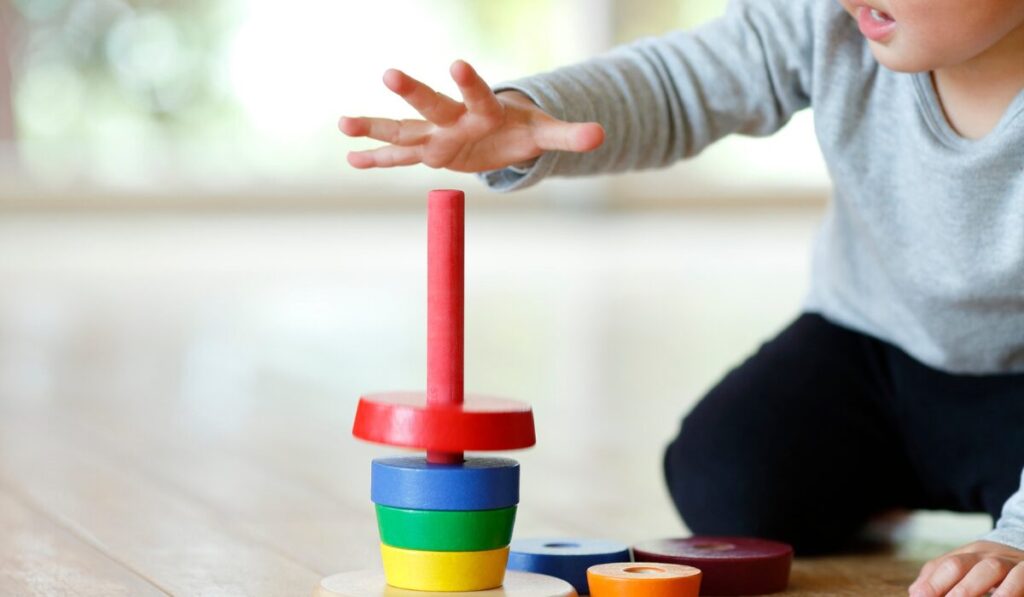
Rather than jumping straight into instructions or demands, therapists spend time connecting with the child through activities they already enjoy. This could mean playing with favorite toys, engaging in games, or simply joining in with laughter and shared activities.
The ultimate goal is for the learner to think: “Good things happen when I’m with this person.”
Why Pairing in ABA Therapy is Essential
- Trust Before Teaching
- Learning is most effective when the learner feels safe and valued. Pairing ensures that trust comes before expectations. Without this, therapy can feel like pressure rather than support.
- Reducing Resistance
- When therapists build a positive relationship first, learners are less likely to resist participation. Instead, they anticipate enjoyable interactions, which lowers frustration.
- Promoting Engagement
- A child who enjoys being around their therapist is naturally more engaged. Engagement is the first step toward skill acquisition.
- Foundation for Long-Term Success
- Pairing is not just a one-time step. It’s an ongoing process that strengthens the therapeutic relationship over time. The stronger the bond, the more resilient the learner becomes when challenges arise.
How Pairing in ABA Therapy Works
Pairing involves intentional steps to connect, including:
- Observation: Therapists watch what activities or items bring joy to the learner.
- Joining In: Instead of taking over, the therapist joins the activity, following the child’s lead.
- Offering Choices: Providing choices increases feelings of control and autonomy, making therapy more collaborative.
- Avoiding Early Demands: Early in pairing, the therapist avoids giving too many instructions. This allows the child to connect without pressure.
- Building Over Time: Gradually, once the relationship is strong, the therapist introduces structured teaching moments.
For families searching for support such as in-home ABA therapy services near me, understanding how pairing works is vital. It ensures that their child experiences therapy as supportive rather than overwhelming.
Pairing in Different ABA Settings
Pairing can happen in multiple environments. The flexibility of ABA means the approach is adapted to each family’s needs.
1. In-Home ABA Therapy
Families often prefer services that come to them. With aba home therapy Atlanta GA, pairing becomes easier because the child is in a familiar environment. A trusted space allows pairing to begin naturally, with favorite toys and routines already present.
2. Private ABA Therapy
When families explore private ABA therapy near me, therapists often emphasize pairing from the first session. The one-on-one environment ensures that the learner receives individualized attention focused on trust-building.
3. School-Based ABA
Pairing in a school setting may look slightly different, as it involves group dynamics and structured schedules. However, the principle remains the same: trust first, teaching second.
What Parents Should Know About Pairing
Parents play a vital role in supporting pairing strategies. Here are some insights that families often find helpful:
- Patience Pays Off: Pairing takes time. It might seem like “just playing,” but it’s an investment in long-term progress.
- Consistency Matters: When therapists, parents, and caregivers all prioritize trust, learners feel secure and ready to grow.
- Celebrate Small Wins: Even moments of shared laughter or eye contact can be powerful signs of progress.
Families asking “how to become an ABA professional?” will also find that pairing is one of the first skills they’ll learn in training. Building rapport is not just recommended—it’s essential.
The Role of Parents in Pairing
Therapists may lead the pairing process, but parents are critical partners. Parents can:
- Share insights about favorite toys, games, or routines.
- Support generalization by pairing themselves with positive reinforcement.
- Observe and learn techniques they can use in daily life.
This teamwork ensures that trust extends beyond therapy sessions into daily experiences.
How Pairing Sets the Stage for Learning
Once pairing is well established, learners are more open to structured skill-building. This could include communication practice, social interactions, or daily living skills. Because trust already exists, transitions into these tasks feel smoother and less intimidating.
In fact, pairing can transform therapy from something that feels “imposed” into something eagerly anticipated. Instead of resistance, learners often look forward to sessions.
Why Pairing is Ongoing
It’s important to note that pairing doesn’t stop after the first few sessions. Trust can fluctuate depending on the environment, activities, or even the day. That’s why therapists continuously weave pairing into sessions. By keeping the relationship strong, teaching always has a solid foundation.
Choosing the Right ABA Provider
When exploring options such as in-home ABA therapy services near me or private ABA therapy near me, families should ask potential providers about their approach to pairing. A strong provider will prioritize trust and connection before structured teaching.
Providers like Aim Higher ABA understand the power of pairing. With a team of professionals dedicated to holistic progress, pairing is not treated as an afterthought—it’s central to the process. By combining ABA strategies with speech-language methodologies, Aim Higher ABA ensures that every child begins with trust and builds toward meaningful growth.
Conclusion
Pairing in ABA Therapy is more than just the first step—it’s the foundation for everything that follows. By prioritizing trust before teaching, therapists create a safe and engaging environment where learners are more willing to participate, explore, and thrive.
Whether through in-home ABA therapy services near me, private ABA therapy near me, or programs like aba home therapy Atlanta GA, pairing ensures that progress is built on connection. For parents, therapists, and learners alike, pairing reminds us that relationships come first, and skills follow naturally.
At Aim Higher ABA, we believe every family deserves a team that values trust as much as teaching. With pairing as the cornerstone, growth is not only possible—it’s lasting.
FAQs
What is Pairing in ABA Therapy and why is it important?
Pairing in ABA Therapy is the process of building trust and connection before structured teaching begins. Therapists focus on creating positive interactions so that the learner associates them with enjoyable activities. This trust-first approach helps reduce resistance, increases engagement, and creates a strong foundation for long-term progress.
How long does the pairing process take in ABA sessions?
The length of Pairing in ABA Therapy can vary depending on each learner. Some children may form positive connections within a few sessions, while others may take longer. The key is patience—pairing is an ongoing process that continues throughout therapy to maintain trust and engagement.
Can pairing be done through in-home ABA therapy services near me?
Yes, pairing is highly effective in home-based programs. When families choose in-home ABA therapy services near me, pairing often happens more naturally because the child is in a familiar environment. Favorite toys, routines, and comfortable surroundings make trust-building smoother and more effective.
How do parents support the pairing process?
Parents play a vital role in Pairing in ABA Therapy by sharing insights about their child’s interests, supporting trust at home, and celebrating small successes. When families collaborate with therapists—whether through private ABA therapy near me or aba home therapy Atlanta GA—the pairing process strengthens and benefits daily life.
What should families look for in an ABA provider when it comes to pairing?
Families should ask potential providers how they approach pairing. A reliable provider will emphasize building trust before teaching begins. Whether choosing private ABA therapy near me or aba home therapy Atlanta GA, the best providers make pairing a core part of therapy, ensuring long-term growth and positive experiences.
Is Pairing in ABA Therapy only for the beginning of treatment?
No, Pairing in ABA Therapy is not just for the first few sessions. It’s an ongoing process. Even after teaching begins, therapists continue pairing to maintain trust, reduce frustration, and keep therapy enjoyable.
Does pairing work in both private and group ABA sessions?
Yes, pairing is effective in both one-on-one and group environments. In private ABA therapy near me, pairing can happen faster because of individualized attention, while in group settings, therapists still prioritize building trust before introducing structured activities.
How does pairing prepare a child for long-term success in ABA?
Pairing in ABA Therapy ensures that learning starts with a positive relationship. By associating therapy with enjoyable experiences, children are more likely to engage, accept new challenges, and make consistent progress across home, school, and community environments.

 Previous Post
Leave Your Comment