

Engaging in play is one of the most important ways children learn about the world, develop social skills, and express their creativity. For children who face challenges in interacting with peers or adults, structured interventions can make a significant difference. In-home ABA therapy services Atlanta GA provide personalized strategies that encourage meaningful play and enhance interaction, helping children learn through enjoyable and purposeful activities.
Play is not just a recreational activity—it’s a critical learning tool. Through guided play sessions, children can develop problem-solving skills, emotional regulation, and social awareness. By using structured strategies tailored to each child’s needs, ABA Therapy Supports the development of these foundational skills in a way that is both fun and educational.
Understanding Play Skills and Their Importance
Play skills encompass a variety of abilities, including taking turns, sharing, imaginative play, following rules, and engaging in cooperative games. Children who develop strong play skills are better equipped to navigate social settings, build friendships, and explore their environment safely.
Without structured support, some children may struggle with initiating interactions or sustaining engagement in activities. This is where in home ABA services near me can be highly beneficial. ABA professionals work one-on-one with children to foster skills that allow them to join in activities, respond to social cues, and experience the joy of collaborative play.
How ABA Therapy Supports Social Interaction Through Play
Social engagement is a natural outcome of well-supported play sessions. ABA Therapy Supports social interaction by breaking down complex behaviors into manageable steps, reinforcing positive behaviors, and teaching children how to respond appropriately in social contexts.
For instance, a child may be guided to approach a peer with a toy, wait for a response, and share the toy once the peer signals readiness. Over time, these small, structured steps build confidence and competence in social situations. With consistent support, children begin to initiate interactions independently, fostering meaningful connections with others.
Structured Play: Building Skills Step by Step
Structured play involves setting clear goals, using targeted reinforcement, and creating a predictable environment. ABA strategies allow therapists to observe and analyze a child’s behavior, identify areas of challenge, and implement step-by-step interventions.
This approach helps children develop essential skills, such as:
- Turn-taking and cooperative play
- Following instructions during games
- Recognizing emotions in themselves and others
- Using language to communicate wants, needs, and ideas
By breaking down each play scenario into achievable steps, children gain a sense of accomplishment and mastery. In-home ABA therapy services Atlanta GA often provide parents with strategies to continue these practices at home, creating a consistent environment for growth.
Encouraging Imaginative and Pretend Play
Imaginative play allows children to explore roles, scenarios, and problem-solving in a safe, creative environment. Through ABA Therapy Supports, therapists can guide children to engage in pretend play, encouraging creativity while reinforcing social norms and communication skills.
For example, a therapist may introduce role-playing activities where the child pretends to be a shopkeeper or a doctor. These activities are designed to encourage turn-taking, verbal interaction, and collaboration. Over time, children learn to express themselves more freely, develop empathy, and improve their ability to engage in group activities.
Motivation and Reinforcement in Play
Motivation plays a crucial role in promoting meaningful engagement. ABA techniques focus on identifying what motivates each child and using it to encourage participation in play. Positive reinforcement strategies, such as verbal praise, tokens, or small rewards, help children remain engaged and motivated to practice new skills.
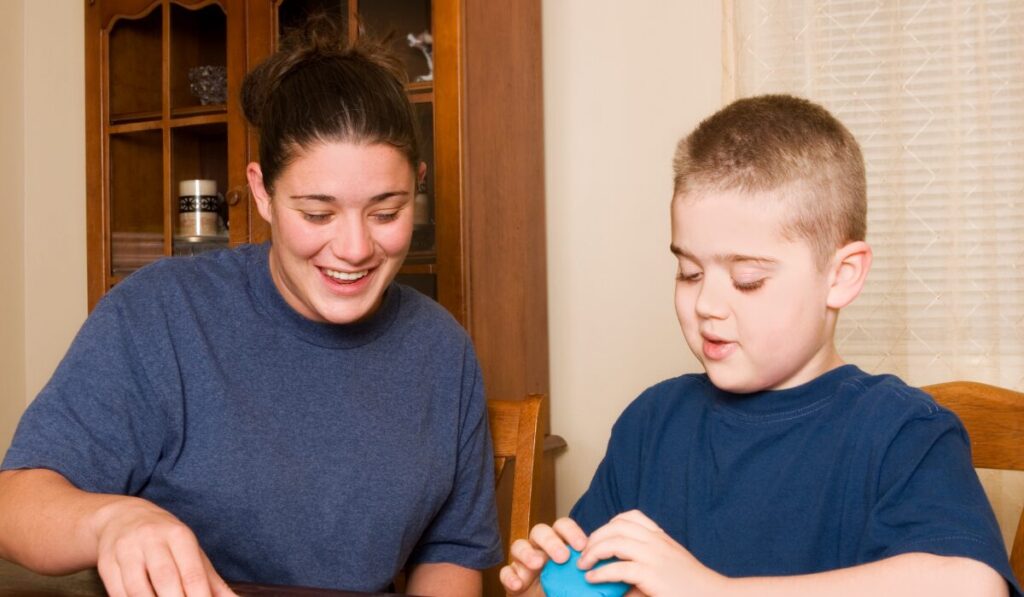
When a child completes a turn in a game or follows instructions during a play activity, reinforcement ensures that the behavior is recognized and repeated. This systematic approach helps children internalize social rules and develop the confidence to participate in play independently.
Role of Parents in Supporting Play Skills
Parents play a key role in reinforcing the skills learned during ABA sessions. In home ABA services near me often involve coaching parents to implement strategies in everyday activities. By integrating structured play into daily routines, parents can provide continuous opportunities for practice and improvement.
For instance, mealtime, outdoor play, or family board games can become learning opportunities where children practice communication, turn-taking, and cooperative behaviors. Consistent reinforcement from caregivers strengthens the skills taught during therapy sessions and encourages their generalization across environments.
Enhancing Peer Interaction
Interacting with peers can be challenging for some children, but play-based ABA interventions create opportunities for guided social experiences. Therapists often organize small group activities where children can practice skills like initiating conversation, responding appropriately, and resolving conflicts.
ABA Therapy Supports these interactions by providing prompts, reinforcement, and feedback in real-time. Over time, children become more adept at navigating peer dynamics, forming friendships, and participating in group activities. This foundation of social competence is essential for long-term success in school and community settings.
Integrating Communication Skills Through Play
Play is a natural context for developing communication skills. Whether it’s asking for a toy, narrating a story, or collaborating with peers, children have opportunities to practice verbal and non-verbal communication.
ABA Therapy Supports communication by modeling appropriate language, providing cues, and reinforcing attempts to communicate. Structured activities encourage children to use words, gestures, or other communication methods to express themselves. This integration of communication within play ensures that skills are functional and meaningful in everyday life.
Generalization of Play Skills
A critical goal of ABA interventions is generalization—ensuring that skills learned in therapy transfer to natural settings. Structured play sessions, along with guidance for parents and caregivers, help children apply what they’ve learned in multiple contexts, including home, school, and community environments.
In-home ABA therapy services Atlanta GA focus on providing strategies for skill generalization, ensuring that children can engage successfully in play beyond therapy sessions. This holistic approach supports sustained development and long-term success in social interactions.
Tracking Progress and Adjusting Strategies
ABA interventions are data-driven, meaning therapists regularly track progress to identify what works and where adjustments are needed. Observing a child’s responses during play allows for individualized planning, ensuring that each session targets the most relevant skills.
By continually adapting strategies based on progress, ABA Therapy Supports the ongoing development of play skills, fostering meaningful engagement and enhancing overall learning outcomes.
Conclusion
Play is an essential part of childhood development, offering opportunities for learning, socialization, and emotional growth. By using structured strategies, reinforcement, and individualized guidance, ABA Therapy Supports the development of play skills and meaningful engagement in children.
Through collaboration with families and consistent intervention, children gain confidence, enhance social competence, and develop the ability to participate actively in everyday activities. In-home ABA therapy services Atlanta GA and in home ABA services near me provide accessible, tailored support to ensure children experience success in play and social interactions, creating a foundation for lifelong learning and engagement.
At Aim Higher ABA, you’ll get to know a team of dedicated and seasoned professionals who are passionate about empowering families to embrace autism. Our holistic approach integrates ABA techniques with speech-language methodologies to optimize your child’s progress in numerous areas.
FAQs
What is the role of ABA Therapy in developing play skills?
ABA Therapy Supports children by breaking down complex behaviors into manageable steps during play. It encourages turn-taking, cooperation, and communication while providing reinforcement for positive behaviors. This structured approach helps children build confidence and engage meaningfully with peers and adults.
How can in-home ABA therapy help my child improve social interaction?
In-home ABA therapy services Atlanta GA provide one-on-one guidance in a familiar environment. Therapists teach children how to initiate interactions, respond to social cues, and participate in group or family activities, enhancing meaningful engagement and confidence.
What types of play skills can ABA Therapy develop?
ABA Therapy Supports skills such as:
- Sharing and taking turns
- Cooperative play with peers
- Following instructions during games
- Using language to communicate ideas and needs
- Engaging in imaginative or pretend play
Can ABA Therapy be applied in everyday activities?
Yes! In home ABA services near me can train parents to integrate structured play into daily routines like mealtime, outdoor activities, and family games. This consistency helps children generalize skills learned during therapy to multiple environments.
How does ABA Therapy encourage imaginative play?
ABA Therapy Supports pretend play by guiding children through role-playing scenarios such as pretending to be a shopkeeper, teacher, or doctor. These activities foster creativity, social skills, and problem-solving while reinforcing appropriate behaviors and communication.
Is motivation important in ABA play interventions?
Absolutely. ABA techniques focus on identifying each child’s motivators and using them to encourage participation. Positive reinforcement, such as praise, tokens, or small rewards, helps maintain engagement and promotes repetition of desired behaviors.
How do therapists track progress in play skills?
Therapists use data-driven methods to observe behaviors during play. They document responses, note improvements, and adjust strategies accordingly. This ensures that ABA Therapy Supports continuous skill development tailored to the child’s needs.
Can ABA Therapy help children interact with peers?
Yes. Structured group play sessions provide guided social experiences where children learn to initiate conversation, share, and resolve conflicts. ABA Therapy Supports these interactions by offering prompts, reinforcement, and feedback in real-time.
Are parents involved in ABA play interventions?
Parents are a key part of the process. In-home ABA services near me often include parent coaching, teaching families how to reinforce skills at home. This involvement strengthens play skills and encourages generalization across settings.
How do ABA interventions help with meaningful engagement?
ABA Therapy Supports meaningful engagement by combining structured play, social skills training, and communication practice. Children gradually gain confidence, develop relationships, and enjoy interactive activities, creating a foundation for long-term learning and social success.

 Previous Post
Leave Your Comment