
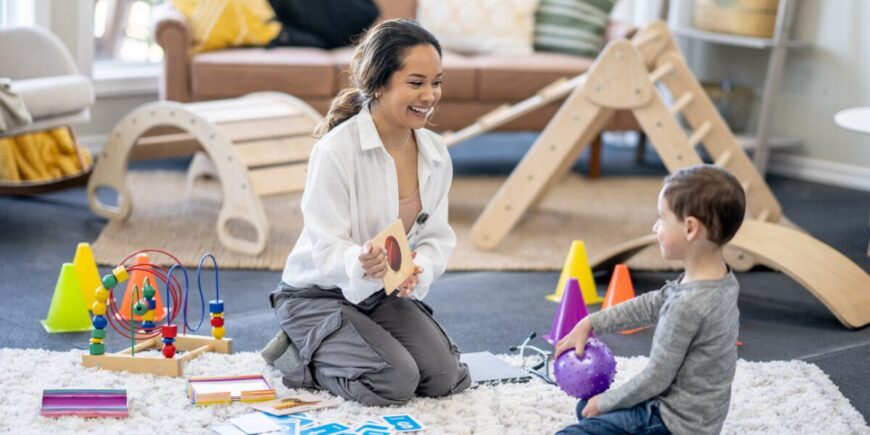
Developing patience and learning to wait are essential life skills that lay the foundation for success in academics, social interactions, and daily routines. For children who face challenges in self-regulation, structured behavioral support can make a tremendous difference. In home aba therapy is one approach that provides individualized attention and allows children to practice these skills in familiar environments. By targeting waiting and patience systematically, ABA Therapy Helps children build the self-control needed to thrive in various settings.
Understanding Patience and Waiting Skills
Patience is the ability to remain calm and composed while delaying immediate gratification or waiting for a desired outcome. Waiting skills refer to a child’s capacity to tolerate short or long delays without exhibiting frustration, aggression, or withdrawal. Both are critical for success in school, social play, and daily routines, such as waiting for a turn during games, lining up in school, or listening during classroom activities.
ABA Therapy Helps break down these skills into small, achievable steps, making it easier for children to gradually develop tolerance and self-control. By teaching patience incrementally, children are more likely to experience success and reinforce positive behaviors.
How ABA Therapy Helps Children Practice Patience
Task Analysis and Step-by-Step Instructions
ABA Therapy Helps children by breaking complex skills into smaller, manageable steps. When teaching waiting skills, therapists create a sequence of tasks that gradually increase in duration. For example, a child might first learn to wait five seconds before receiving a toy, then gradually progress to 30 seconds.
With in home aba therapy, these exercises can occur in natural settings, like during mealtime or play, ensuring that children generalize patience across various routines.
Reinforcement Strategies
One of the core components of ABA Therapy Helps children is the use of reinforcement to strengthen desired behaviors. Positive reinforcement, such as verbal praise, tokens, or small rewards, encourages children to wait calmly.
For instance, when a child successfully waits for a snack or turn during play, immediate recognition of their effort increases the likelihood that they will exhibit patience again. In home aba therapy Atlanta programs often integrate reinforcement in daily routines to make learning consistent and meaningful.
Modeling and Role-Playing
Children learn patience by observing and imitating the behaviors of adults or peers. ABA Therapy Helps by providing structured modeling opportunities where therapists demonstrate appropriate waiting behaviors.
Role-playing games can simulate real-life situations where patience is required, such as taking turns or waiting for a computer game to load. Practicing in a controlled environment allows children to gain confidence before applying these skills in less predictable settings.
Visual Supports and Timers
Visual cues and timers are valuable tools within ABA Therapy Helps interventions. Children can better understand how long they are expected to wait when they see a visual countdown or schedule.
For example, a child may watch a timer countdown from 30 seconds while waiting for a reward or activity. These visual tools reduce anxiety and frustration, giving children a concrete representation of time passing. In home aba therapy sessions often incorporate these tools seamlessly into everyday routines, such as homework or mealtime.
Incremental Challenges
Gradually increasing the difficulty of waiting tasks is crucial. ABA Therapy Helps by providing incremental challenges that match the child’s current abilities. This ensures progress without overwhelming the child.

A therapist may start with very short waiting periods, offering frequent reinforcement, and slowly extend the duration. Over time, children develop resilience and learn to tolerate longer delays, which translates into improved patience in broader contexts.
Generalizing Patience Across Environments
Learning patience in a single setting is not enough; children must apply it across different environments. ABA Therapy Helps by teaching strategies that can be generalized.
For example, a child may first practice waiting during snack time at home, then at the playground, and eventually in a classroom setting. In home aba therapy Atlanta ensures that the child experiences consistent reinforcement and support across settings, which promotes the retention and application of waiting skills.
Social Benefits of Developing Patience
Patience is closely linked to positive social interactions. Children who can wait their turn, share toys, or take turns in conversation demonstrate greater empathy, cooperation, and teamwork.
By using ABA Therapy Helps techniques, children not only learn patience but also enhance their ability to navigate social situations effectively. This translates into improved peer relationships, reduced conflict, and increased self-confidence in group activities.
Patience and Emotional Regulation
Waiting requires emotional regulation, as children must manage feelings of frustration, disappointment, or excitement. ABA Therapy Helps children recognize these emotions and respond appropriately.
Therapists teach coping strategies, such as deep breathing, counting, or positive self-talk, which support emotional control while waiting. With in home aba therapy, children can practice these strategies in real-life contexts, reinforcing their ability to manage emotions consistently.
Collaboration with Families
A critical factor in the success of patience training is family involvement. ABA Therapy Helps when families are guided to implement techniques at home, ensuring consistency and reinforcement outside of therapy sessions.
Parents and caregivers learn how to prompt waiting behaviors, use visual supports, and provide appropriate reinforcement. This collaboration strengthens the child’s learning, creating a supportive environment for skill development.
Monitoring Progress and Adjusting Strategies
Tracking a child’s progress is essential. ABA Therapy Helps by using data-driven methods to monitor improvements in waiting skills and patience.
Therapists observe behaviors, record responses, and adjust interventions as needed. If a child struggles with a particular duration or context, strategies are modified to ensure achievable success. This systematic approach ensures steady growth while preventing frustration or regression.
Tips for Encouraging Patience at Home
- Set Clear Expectations: Explain the waiting duration and outcome to the child.
- Use Visual Timers: Allow children to see time passing.
- Provide Immediate Praise: Reinforce successful waiting behaviors promptly.
- Gradually Increase Waiting Periods: Start short and build incrementally.
- Model Patience: Demonstrate calm waiting in everyday situations.
By integrating these techniques alongside ABA Therapy Helps, children are more likely to internalize patience and apply it independently.
Real-Life Applications
The skills learned through structured waiting exercises have far-reaching benefits. Children can better handle lines at stores, classroom transitions, and collaborative activities. They also gain resilience and self-control, which are critical for academic success and lifelong personal growth.
In home aba therapy ensures these skills are reinforced in familiar environments, making transitions to new settings smoother and less stressful. Programs like in home aba therapy Atlanta provide personalized guidance to families, ensuring the child’s learning continues consistently.
Conclusion
Patience and waiting skills are fundamental for children’s overall development. ABA Therapy Helps by breaking down complex behaviors into manageable steps, using reinforcement, modeling, and visual supports, and involving families in the learning process. Through consistent practice and incremental challenges, children develop the self-control, emotional regulation, and social skills needed to succeed in everyday life.
At Aim Higher ABA, you’ll get to know a team of dedicated and seasoned professionals who are passionate about empowering families to embrace autism. Our holistic approach integrates ABA techniques with speech-language methodologies to optimize your child’s progress in numerous areas.
FAQs
What is the role of ABA therapy in teaching patience and waiting skills?
ABA Therapy Helps children develop patience by breaking down waiting tasks into manageable steps, providing reinforcement for successful attempts, and using visual supports to make waiting predictable. By practicing these skills repeatedly in structured settings, children gradually improve their self-control and tolerance for delay, which benefits social interactions, school routines, and daily activities.
Can these waiting skills learned through therapy be applied in everyday life?
Yes, one of the strengths of ABA Therapy Helps is teaching skills that generalize across multiple environments. Children learn to wait for turns in games, line up in school, or handle delays during meals. Programs like in home aba therapy allow children to practice in familiar settings, making it easier to transfer patience skills to real-life scenarios such as classroom routines, playdates, or family outings.
How does in home aba therapy differ from center-based therapy for patience training?
In home aba therapy provides individualized attention in a natural setting, allowing children to practice waiting skills during daily routines such as snack time, chores, or play. This approach ensures consistent reinforcement and makes learning more relevant. Unlike center-based programs, therapy occurs in environments where patience is naturally required, helping children generalize skills more effectively.
How long does it usually take for children to improve their waiting skills through ABA therapy?
The time frame varies depending on the child’s starting point, consistency of practice, and reinforcement strategies. Some children may show progress in a few weeks, while others may require several months of structured practice. Regular sessions through in home aba therapy Atlanta and continued practice at home accelerate learning and ensure sustained progress.
What strategies are used in ABA therapy to teach waiting skills?
Therapists use a combination of techniques including:
- Task analysis: Breaking waiting into small, achievable steps
- Positive reinforcement: Rewards, praise, or tokens for successfully waiting
- Visual supports and timers: Helping children see the passage of time
- Modeling and role-playing: Demonstrating waiting in structured scenarios
- Incremental challenges: Gradually increasing wait durations to build tolerance
These strategies work together to teach children how to wait calmly, manage frustration, and develop patience.
Are rewards necessary for teaching patience, or can it be taught without them?
Rewards and positive reinforcement play a critical role in ABA Therapy Helps children internalize patience. Initially, rewards such as verbal praise, tokens, or small incentives motivate children and reinforce progress. Over time, children begin to associate waiting with positive outcomes, reducing the need for tangible rewards.

 Previous Post
Leave Your Comment