

Parent training in ABA therapy is an important part of helping children make progress outside of therapy sessions. While therapists work directly with children during ABA sessions, parents are often the people who spend the most time with their child throughout the day. Parent training gives families the tools and strategies they need to support communication, behavior, routines, and daily living skills at home.
Many families hear the term parent training and are unsure what it means. Some parents worry that it will feel overwhelming or that they will be expected to become therapists themselves. In reality, parent training is designed to provide guidance, support, and practical strategies that fit into everyday life.
At Aim Higher ABA, families can learn more about parent training services and how caregiver involvement can support long-term progress. Families may also benefit from in-home ABA therapy because home-based services often create more opportunities for parent participation.
Why Parent Training Matters
Parent training matters because children spend much more time with their family than they do with their therapy team. If a child learns a new skill during therapy but does not practice it at home, progress may happen more slowly.
When parents use the same strategies as the therapy team, children often experience more consistency. This can help children use their new skills in more places and with more people.
Parent training can also help reduce stress because families feel more confident responding to behaviors, supporting routines, and encouraging communication.
Some of the most important reasons parent training matters include:
- Helps children practice skills outside of therapy sessions
- Creates consistency across routines
- Improves communication between parents and therapists
- Supports long-term progress
- Helps reduce frustration and behavior challenges
- Gives parents more confidence
- Encourages family involvement in therapy goals
Parent training is often one of the most valuable parts of an ABA program because it helps families continue supporting their child between sessions.
What Parents Learn During Parent Training
Parent training sessions are designed to teach practical skills that families can use every day.
The exact topics may vary depending on the child’s needs, but many parents learn how to:
- Encourage communication
- Use positive reinforcement
- Respond to challenging behaviors
- Support daily routines
- Help with transitions between activities
- Use visual schedules
- Build social skills
- Encourage independence
- Practice daily living skills
- Reinforce therapy goals at home
For example, a parent may learn how to help a child request a snack instead of crying, how to support bedtime routines, or how to encourage sharing during playtime.
These strategies are usually simple and designed to fit naturally into the family’s day.
How Parent Training Sessions Work
Parent training sessions can happen in different ways depending on the provider and the child’s needs.
In many cases, parent training happens during in-home ABA therapy sessions. The therapist may model a strategy, explain why it is important, and then help the parent practice using it.
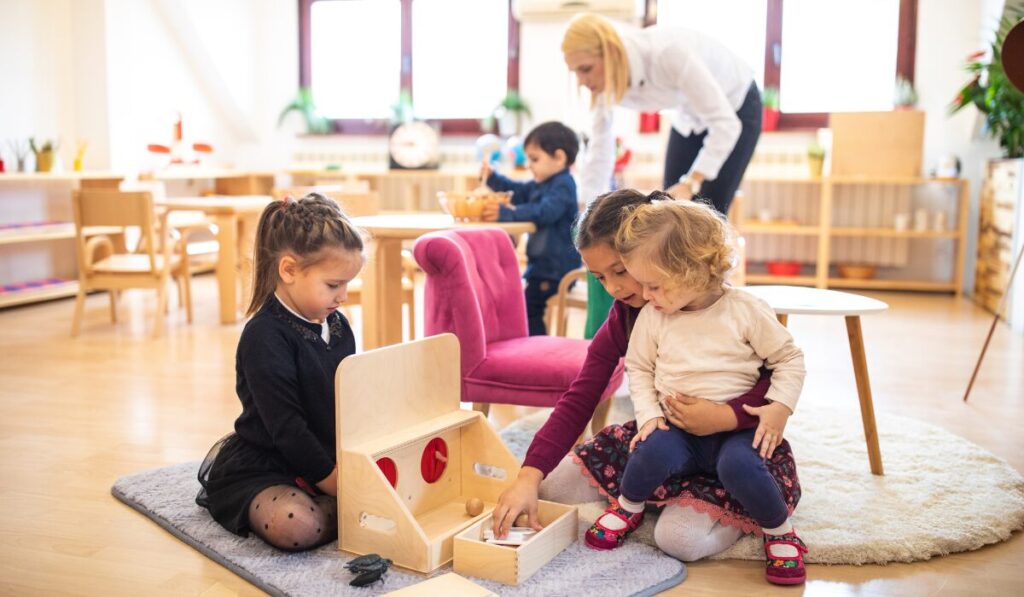
Some sessions may focus on one specific topic, such as communication or behavior support. Other sessions may involve reviewing progress, adjusting routines, or answering parent questions.
A typical parent training session may include:
- Reviewing the child’s current goals
- Discussing challenges at home
- Learning a new strategy
- Practicing the strategy with the child
- Getting feedback from the BCBA or therapist
- Talking about what to practice between sessions
Families who want more opportunities for parent involvement may benefit from in-home ABA therapy because it allows therapists to work directly within everyday routines.
Common Parent Training Topics
Parent training often covers a wide range of topics because every child and family is different.
Some of the most common parent training topics include:
Communication Skills
Parents may learn how to encourage communication through words, pictures, gestures, or devices. They may also learn how to model language and reinforce communication attempts.
Positive Reinforcement
Positive reinforcement is one of the most important ABA strategies. Parents may learn how to use praise, rewards, and preferred activities to encourage desired behaviors.
Behavior Support
Parents may learn how to respond to behaviors such as tantrums, aggression, refusal, or difficulty with transitions. The focus is usually on understanding why the behavior is happening and teaching more appropriate alternatives.
Routines and Daily Living Skills
Many parent training sessions focus on routines such as mealtimes, bedtime, toileting, dressing, cleaning up, and following schedules.
Social Skills
Parents may also learn ways to support turn-taking, sharing, conversation, play, and interaction with siblings.
How Parent Training Builds Confidence for Families
Many families feel unsure about how to respond to behaviors, support routines, or encourage communication before they begin ABA therapy. Parent training can help reduce this uncertainty by giving parents clear strategies that they can use every day.
As parents become more familiar with ABA strategies, they often feel more confident handling difficult situations. For example, they may feel more prepared to manage transitions, respond to tantrums, encourage social interaction, or help their child complete routines independently.
Confidence is important because children often respond better when parents feel calm, consistent, and prepared. Parent training can help families feel less overwhelmed and more connected to the therapy process.
Many parents also feel more comfortable asking questions and participating in goal-setting after they have spent time learning about ABA strategies.
How Parent Training Supports the Whole Family
Parent training does not only benefit the child receiving therapy. It can also support siblings, caregivers, grandparents, and other family members.
When the whole family understands how to respond to behaviors and support communication, routines often become more consistent. Siblings may learn how to play more effectively, grandparents may feel more confident babysitting, and caregivers may be better able to follow routines.
Family-wide support can also reduce stress in the home because everyone is using similar strategies.
For example, if parents and grandparents both know how to encourage communication and respond to challenging behaviors, the child may experience more consistency across settings.
Consistency is one of the most important parts of successful ABA therapy because it helps children understand what is expected and gives them more opportunities to practice skills.
Common Misconceptions About Parent Training
There are many misunderstandings about parent training in ABA therapy.
One common misconception is that parents are expected to become therapists. Parent training is not about replacing the therapy team. Instead, it is about giving parents simple tools that make it easier to support their child.
Another misconception is that parent training takes too much time. In reality, many strategies can be practiced during routines that already happen every day.
For example, a parent may practice communication skills during meals, work on transitions during bedtime, or reinforce positive behavior during playtime.
Some parents also worry that they will make mistakes. Parent training is designed to be supportive, and families are encouraged to ask questions and learn at their own pace.
Measuring Carryover at Home
One of the main goals of parent training is carryover. Carryover means that the child uses the same skills outside of therapy sessions.
For example, if a child learns how to ask for help during therapy, carryover would mean the child also uses that skill during meals, bedtime, playtime, or school routines.
Therapists often measure carryover by looking at:
- Whether the child uses skills with parents
- Whether the child uses skills in different settings
- Whether behaviors improve outside of therapy sessions
- Whether routines become easier over time
- Whether parents feel more confident using strategies
Strong carryover is often a sign that the child is making meaningful progress.
Conclusion
Parent training supports long-term success because it helps children practice skills consistently in their everyday environment.
When parents understand how to encourage communication, reinforce positive behavior, and support routines, children often have more opportunities to learn.
Parent training can also make therapy feel more connected to daily life because the strategies are used throughout the day rather than only during scheduled sessions.
Families who are interested in learning more about parent training services can explore how caregiver involvement supports long-term progress. Families may also benefit from in-home ABA therapy because it provides more opportunities to practice strategies during everyday routines.
FAQs
What is parent training in ABA therapy?
Parent training in ABA therapy teaches caregivers how to support communication, routines, behavior, and daily living skills outside of therapy sessions.
Why is parent training important?
Parent training is important because it helps children practice skills consistently at home and supports long-term progress.
What do parents learn during parent training?
Parents may learn communication strategies, positive reinforcement, behavior support techniques, routine-building strategies, and ways to encourage independence.
How often do parent training sessions happen?
The frequency of parent training sessions depends on the child’s needs and the provider’s recommendations.
Are parents expected to become therapists?
No, parents are not expected to become therapists. Parent training is designed to give families simple tools and strategies they can use during everyday routines.

 Previous Post
Leave Your Comment