
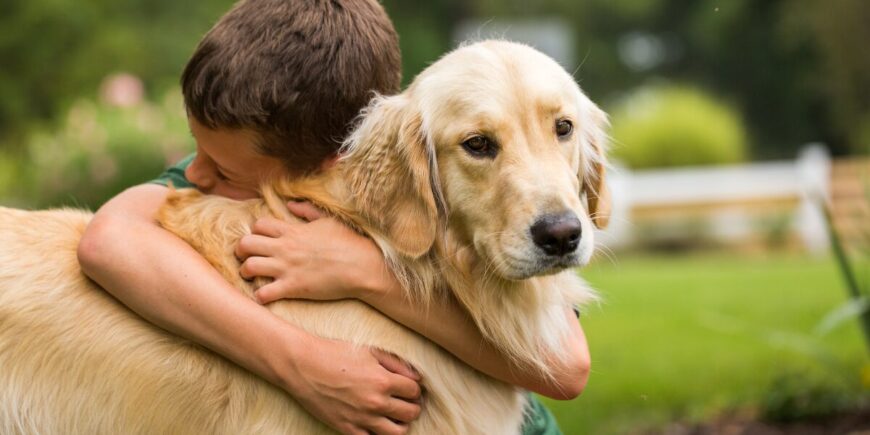
Choosing the right dog for a child can be life-changing, especially when your child benefits from in-home ABA therapy Atlanta GA. Dogs can offer companionship, routine, and emotional support that complements structured therapy. Selecting the best dogs for kids with autism requires careful consideration of temperament, size, and training potential, ensuring the bond fosters confidence and encourages playful interaction.
Why Dogs Make a Difference
Dogs are more than just pets—they can act as friends, motivators, and teachers for children. They provide a predictable presence in a child’s daily life, helping to establish routines and encourage social interaction.
For children receiving ABA services, a well-chosen dog can reinforce therapy goals. Dogs respond to gentle cues, creating a safe environment for learning patience, turn-taking, and basic communication.
Key Traits to Look for in Dogs
Not every breed is suitable for every child. The best dogs for kids with autism tend to share common traits:
- Gentle Temperament: Calm and patient dogs prevent overwhelming a child.
- Trainability: Dogs that learn commands quickly integrate smoothly into routines.
- Affectionate Nature: A dog that enjoys physical contact can offer comfort and reassurance.
- Moderate Energy Levels: Avoid overly hyper dogs that may inadvertently stress the child.
Understanding these traits ensures that the dog will positively influence your child’s growth, confidence, and play habits.
Top Breeds Recommended for Children
While many breeds can thrive in a family setting, some are particularly suited for children who are in therapeutic programs like ABA.
Labrador Retriever
Labradors are often at the top of lists for families. Known for their loyalty, patience, and playful demeanor, they excel in interacting with children. Labradors are responsive to commands, which makes them ideal for integrating with therapy routines.
Golden Retriever
Golden Retrievers are gentle, friendly, and highly trainable. Their calm and social nature makes them excellent companions, providing both play and comfort. These dogs encourage confidence through interactive games and consistent engagement.
Poodle (and Poodle Mixes)
Poodles are intelligent, alert, and highly trainable, making them suitable for structured learning. Smaller varieties, like Miniature Poodles, are perfect for families with limited space. Poodles often adapt well to a child’s energy levels and can participate in games that encourage focus and interaction.
Beagle
Beagles are affectionate and enjoy companionship. Their smaller size and friendly disposition make them approachable for children. Beagles can motivate children to participate in structured play and simple daily routines.
Cavalier King Charles Spaniel
This breed is known for its gentle and patient demeanor. Cavaliers are excellent for children who may be overwhelmed by larger dogs. Their affectionate nature encourages bonding and a sense of responsibility.

How Dogs Promote Confidence
Dogs naturally boost confidence in children. Having a companion to care for and interact with instills a sense of responsibility and achievement.
- Routine and Responsibility: Feeding, walking, and grooming a dog teaches accountability.
- Positive Reinforcement: Children see the immediate effects of their actions, such as the dog responding to commands, fostering confidence.
- Emotional Support: Dogs provide unconditional companionship, helping children feel safe and valued.
For children involved in ABA services, this confidence can translate into more engagement during therapy sessions and willingness to try new tasks.
Encouraging Play Through Canine Companions
Play is essential for development, and dogs can enhance this in multiple ways:
- Interactive Games: Fetch, tug-of-war, or hide-and-seek with a dog develops coordination and social interaction skills.
- Imaginative Play: Children often incorporate their dogs into pretend play, boosting creativity and social narrative skills.
- Outdoor Activity: Walking or playing outdoors with a dog promotes physical exercise and exploration, which can improve overall wellbeing.
These activities encourage children to practice communication, cooperation, and decision-making in a fun, engaging manner.
Dogs and Social Development
A dog can also act as a bridge to the outside world. Children often feel more comfortable interacting with peers when their dog is present, providing natural conversation starters and shared experiences.
- Peer Interaction: Walking or visiting parks with the dog encourages friendly exchanges.
- Modeling Behavior: Dogs respond predictably to commands, showing children cause-and-effect in relationships.
- Nonjudgmental Companion: Dogs provide consistent feedback without criticism, which can be invaluable for building self-assurance.
For children participating in in-home ABA therapy Atlanta GA, these social benefits complement therapy goals, such as improving communication and adaptive behaviors.
Training Tips for Families
Training your dog effectively ensures a positive experience for both child and pet.
- Start Early: Introduce basic commands and routines before integrating the dog into therapy-based activities.
- Consistency: Use consistent commands and positive reinforcement to encourage desired behaviors.
- Involve the Child: Encourage the child to participate in feeding, grooming, and training to build confidence.
- Supervised Interaction: Always supervise play to ensure safety and reinforce positive behavior for both child and dog.
These strategies not only improve the dog-child bond but also enhance the child’s sense of accomplishment and engagement.
Integrating Dogs into Therapy
Therapists and families can work together to incorporate dogs into structured therapy plans. Activities might include:
- Practicing following instructions with the dog.
- Rewarding the child for cooperative interactions during dog care.
- Using the dog as a motivational partner in completing tasks or exercises.
Dogs can serve as a natural reinforcement for behaviors targeted in therapy, encouraging consistency outside of formal sessions.
Safety Considerations
While dogs offer numerous benefits, safety is crucial:
- Choose the Right Size: Ensure the dog is appropriate for the child’s age and strength.
- Health Checks: Keep vaccinations, parasite control, and regular vet visits up to date.
- Safe Play Zones: Designate areas for supervised interaction to prevent accidents.
- Teach Respect: Children should understand boundaries and proper handling to maintain a positive relationship.
These precautions ensure a safe, nurturing environment for both child and dog.
Conclusion
The right dog can transform a child’s experience, promoting confidence, structured play, and social growth. Families engaged in ABA services or in-home ABA therapy Atlanta GA can benefit from a thoughtful approach to choosing a canine companion.
By prioritizing temperament, training ability, and size, parents can ensure their child gains both a loyal friend and a positive influence on daily routines and play. Integrating dogs into a child’s life enhances development, fosters responsibility, and encourages joy through interactive experiences.
At Aim Higher ABA, you’ll get to know a team of dedicated and seasoned professionals who are passionate about empowering families to embrace autism. Our holistic approach integrates ABA techniques with speech-language methodologies to optimize your child’s progress in numerous areas.
FAQs
What makes a dog suitable for children with autism?
A dog suitable for children should have a calm temperament, high trainability, and an affectionate nature. These traits help children build confidence, engage in play, and follow routines more easily, complementing structured programs like in-home ABA therapy Atlanta GA.
Which dog breeds are considered the best dogs for kids with autism?
Popular breeds include Labrador Retrievers, Golden Retrievers, Poodles (and Poodle mixes), Beagles, and Cavalier King Charles Spaniels. These breeds are known for their gentle nature, intelligence, and ability to bond with children while promoting social interaction and play.
How can dogs boost confidence in children?
Dogs provide routine, responsibility, and positive reinforcement. Children gain confidence when they successfully care for or train a dog. The sense of accomplishment translates into social and emotional skills that also support progress in ABA services.
How do dogs encourage play for children?
Dogs naturally invite interactive and imaginative play, such as fetch, hide-and-seek, or pretend games. Outdoor walks and activities with dogs help children practice coordination, problem-solving, and cooperative skills, making daily interactions more enjoyable.
Can dogs be incorporated into ABA therapy?
Yes. Dogs can complement therapy by reinforcing instructions, providing motivation, and rewarding positive behavior. Working with a child’s therapist ensures that the dog supports therapy goals effectively while maintaining safety.
What safety measures should parents take when introducing a dog?
- Choose a dog of appropriate size and temperament.
- Keep vaccinations and health checks current.
- Supervise play sessions.
- Teach children proper handling to prevent accidents.
These precautions ensure a positive and safe relationship between the child and the dog.
Are smaller dog breeds better for younger children?
Smaller breeds like Miniature Poodles or Cavalier King Charles Spaniels are often easier for younger children to handle. Their gentle demeanor reduces the risk of accidental injury while still promoting interaction and companionship.
How can a dog help with social skills?
Dogs act as social bridges by encouraging children to communicate with peers during walks, visits to parks, or playdates. They also model cause-and-effect relationships and reinforce cooperative behavior, which enhances social learning alongside ABA services.
Can adopting a dog improve my child’s therapy outcomes?
Yes. Children often show increased engagement, motivation, and consistency when a dog is part of their home environment. A well-chosen dog can reinforce therapy routines, create enjoyable learning moments, and support emotional development.
Where can I find guidance for integrating a dog into my child’s routine?
Families can consult therapists, trainers, or programs that offer support for children with special needs. Incorporating dogs into daily routines should be done gradually, with professional advice, to ensure safety and maximize benefits.

 Previous Post
Leave Your Comment