

Communication is the cornerstone of human connection, yet for many individuals with autism, verbal communication can present significant challenges. For these individuals, expressing needs, emotions, and thoughts may not follow conventional speech patterns. This does not mean communication is absent—it simply takes a different form. Through consistent support strategies such as ABA Therapy, families and caregivers are discovering powerful ways to foster non-verbal communication, unlocking meaningful interactions that go far beyond words.
In today’s world, where the ability to communicate is often equated with speaking, it’s crucial to understand and embrace the diverse ways individuals can connect. Whether it’s through gestures, eye contact, facial expressions, assistive technologies, or behavior patterns, the language of communication without words holds incredible power. When supported appropriately, this non-verbal form of communication becomes a bridge to understanding, learning, and inclusion.
Understanding Non-Verbal Communication in Children with Autism
Non-verbal communication includes all forms of conveying information without using spoken language. For many children with autism, this form of communication is a primary or preferred method. It may involve pointing, using picture exchange communication systems (PECS), sign language, body movements, or even using devices with visual or auditory outputs.
The absence of spoken words does not signify an absence of intelligence or emotional depth. Many non-verbal children demonstrate an incredible ability to understand complex ideas and form deep emotional bonds. What’s needed is a structured way to support and expand their communication methods—one that respects their unique capabilities while opening new avenues for expression.
The Role of ABA Therapy in Enhancing Non-Verbal Communication
ABA Therapy (Applied Behavior Analysis) plays a transformative role in improving communication skills for children who are non-verbal or minimally verbal. It is a data-driven approach that breaks down complex tasks into manageable steps and reinforces positive behaviors. When applied thoughtfully, it helps children learn to communicate in ways that suit their individual needs.
Therapists often introduce augmentative and alternative communication (AAC) systems through ABA techniques. These may include PECS, speech-generating devices, or simple hand gestures. By reinforcing attempts to communicate—no matter how small—therapists help children build confidence and make meaningful progress.
One of the most impactful aspects of ABA is its individualized nature. Programs are tailored to each child’s strengths, learning style, and challenges. In a supportive environment, children can make strides in initiating social interactions, requesting items, expressing discomfort, or sharing joy—all without saying a word.
School-Based ABA Therapy Services: Supporting Communication in Educational Settings
The classroom is often one of the most socially demanding environments for children. Fortunately, school-based ABA therapy services are designed to bridge the communication gap between children with autism and their peers, teachers, and school staff. These services allow behavior analysts to collaborate with educators, ensuring communication strategies are integrated into daily learning.
For example, a child may be taught to request a break by pointing to a card instead of exhibiting distress. Another child might use a tablet to participate in classroom discussions. These strategies not only reduce frustration but also promote inclusion and academic progress.
School-based programs also provide training for teachers, helping them recognize and reinforce communication efforts. As children feel more understood and supported, their confidence grows—and their world opens up.
The Value of In-Home ABA Therapy Services
One of the most comforting and effective ways to deliver ABA is in the home environment. Families searching for the best in home ABA therapy near me often find that in-home services provide a higher degree of customization and real-life application.
In-home sessions allow therapists to observe how children naturally communicate in their own space. Parents and siblings can participate in sessions, learning how to encourage and respond to non-verbal communication. This not only supports the child’s progress but strengthens the family dynamic.
Families located in Georgia, particularly those seeking in-home aba therapy services Atlanta GA, can benefit from providers who understand the regional needs and offer culturally responsive care. This ensures the child receives high-quality, personalized therapy that extends into the everyday rhythms of life.
How ABA Builds a Bridge to Social Connection
Communication is not only about requesting things or giving directions—it’s about connecting with others. ABA practitioners understand that building relationships through non-verbal communication is just as important as learning to speak.
Programs may include teaching a child to wave hello, maintain eye contact during a shared activity, or use gestures to express happiness. These subtle yet profound acts help children develop bonds with family, peers, and community members.
When children see their efforts to connect being received and reciprocated, it reinforces their desire to engage. With time and support, what begins as a small gesture can evolve into an emotionally rich exchange.
Exploring Technology as a Communication Tool
Technological innovations have greatly expanded the possibilities for children who do not communicate verbally. Devices with touchscreens, speech output, or customizable interfaces give children a voice—often for the first time.
ABA therapists play a crucial role in introducing these technologies in a structured and goal-oriented way. For instance, a child may learn to press a picture of water on a device to request a drink. Over time, they can be guided to string together multiple pictures or use more complex tools to share thoughts, preferences, and feelings.
Parents looking for in-home ABA therapy services near me should consider providers who are familiar with AAC technologies and incorporate them into treatment plans. The right tools, combined with expert guidance, can be life-changing.
Parental Involvement and Advocacy
Parents and caregivers are vital to the success of any communication program. Their insights into their child’s behavior, preferences, and routines provide invaluable context for therapists.
ABA Therapy often includes parent training sessions that equip families with strategies to reinforce communication goals outside of therapy hours. Parents learn to identify subtle cues, prompt communication attempts, and celebrate progress.
Additionally, caregivers become powerful advocates. They can collaborate with school teams, request necessary support, and ensure their child’s communication needs are met in all settings. The journey can be challenging, but with consistent effort and support, the rewards are profound.
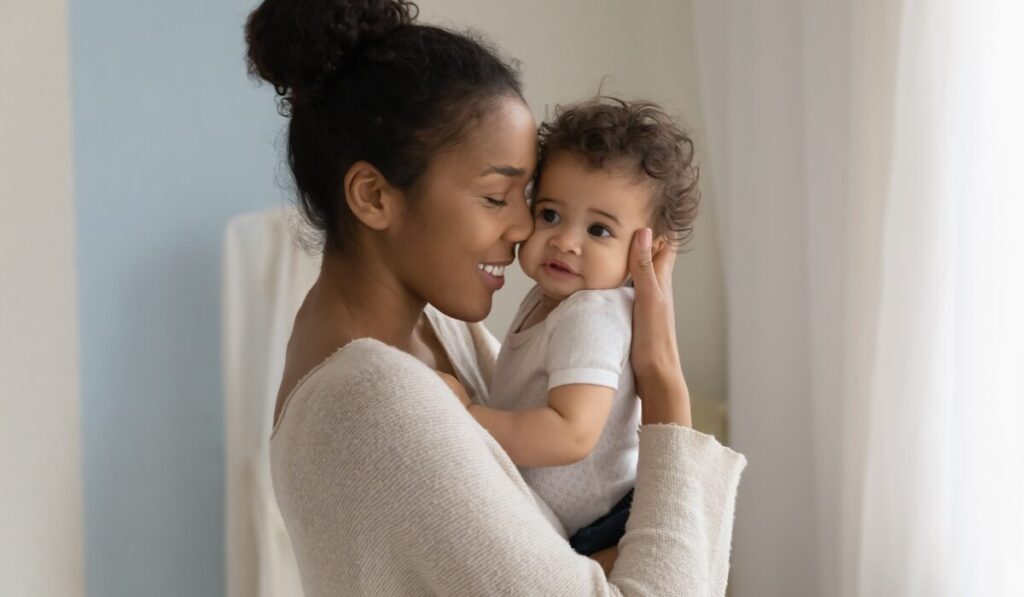
Celebrating the Milestones—Big and Small
Progress in communication is deeply personal. For some children, a smile in response to their name is a monumental breakthrough. For others, it might be using a device to tell their parents, “I love you.”
ABA Therapy celebrates each of these victories. By breaking down large goals into small, achievable steps, it provides a framework where every success is acknowledged and reinforced.
Families are encouraged to recognize these milestones too. It fosters a sense of hope and motivation that fuels the ongoing journey of development and learning.
Conclusion
The ability to communicate does not depend solely on words. Children with autism can express love, curiosity, frustration, joy, and empathy through gestures, devices, behavior, and connection. With the right support systems in place, these powerful forms of expression can be nurtured and developed.
ABA Therapy remains one of the most effective and evidence-based approaches for helping non-verbal children find their voice—whatever form it may take. Whether through school based ABA therapy services, in-home ABA therapy services Atlanta GA, or by finding the best in-home ABA therapy near me, families have more options than ever before to support their children.
Communication is a journey, not a destination. For children who communicate without words, it is a journey filled with possibility, discovery, and profound connection.
Striving for Excellence Because Your Child Deserves Nothing Less
Every parent dreams of their child growing up happy, independent, and reaching their full potential. At AIM Higher ABA, we believe children with autism should have every chance to thrive.
That’s why our ABA therapy services are designed to:
- Bring harmony to family life
- Set your child up for school success
- Enhance communication and social interaction
- Reduce challenging behaviors
- Boost everyday skills for greater independence
Schedule your free consultation today!
FAQs
What is ABA Therapy and how does it help with communication for children who do not speak?
ABA Therapy (Applied Behavior Analysis) is a scientific approach that helps children develop communication and social skills by breaking down tasks into manageable steps and reinforcing positive behaviors. It supports non-verbal communication by teaching alternative ways to express needs, such as using gestures, picture exchange systems, or communication devices.
What are some common methods of communication without words?
Non-verbal communication can include gestures, facial expressions, body language, sign language, picture exchange communication systems (PECS), and the use of assistive communication devices. These methods allow children to convey their feelings, needs, and thoughts even without spoken language.
How do school based ABA therapy services support communication?
School based ABA therapy services integrate communication strategies into the classroom environment, helping children use non-verbal communication to participate in learning and interact with peers and teachers. Therapists work alongside educators to create supportive communication plans tailored to each child’s needs.
What should I look for when searching for the best in home ABA therapy near me?
When looking for in-home ABA therapy services, consider providers who offer personalized programs, incorporate assistive communication tools, and have experience working with children who communicate non-verbally. It’s also helpful to find therapists who collaborate closely with families to support communication goals in daily life.
How can in home ABA therapy services Atlanta GA benefit my child?
In-home ABA therapy in Atlanta, GA, offers personalized therapy sessions in the child’s natural environment, making it easier to observe and encourage natural communication behaviors. It allows for active parent participation, helping families learn strategies to support communication outside of therapy.
Are communication devices and technology part of ABA Therapy?
Yes, ABA therapists often introduce and support the use of augmentative and alternative communication (AAC) devices, such as tablets with speech-generating apps, to help children communicate effectively. These tools can empower children who struggle with verbal speech to express themselves clearly.
How involved should parents be in their child’s communication therapy?
Parental involvement is crucial. ABA Therapy often includes training for parents so they can reinforce communication strategies throughout daily routines. Families learn to recognize and respond to their child’s communication efforts, helping to build stronger connections and progress.

 Previous Post
Leave Your Comment