
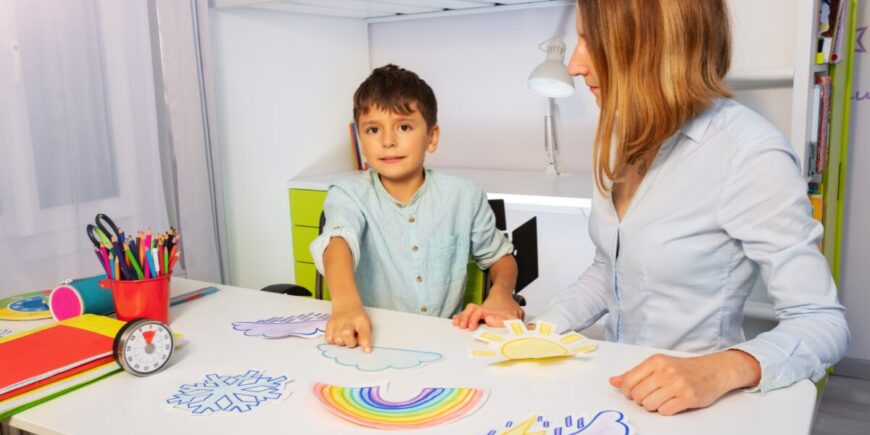
Family dynamics are always unique, and when one child has developmental differences, parents often face additional challenges. One of the most common is managing sibling rivalry when one child is on the spectrum. Siblings may feel overlooked, struggle with jealousy, or become frustrated when extra attention is directed toward the child with special needs. These emotions are normal but can escalate without thoughtful guidance. Families can support all children equally by applying practical parenting techniques, communication tools, and structured support like aba therapy in home atlanta ga, which provides personalized strategies to promote family harmony.
This article explores how parents can address sibling rivalry with understanding, patience, and effective tools, including ABA Strategies, while ensuring every child feels valued.
Understanding Sibling Rivalry in Families with Special Needs
Sibling rivalry is a natural part of growing up. All children compete for attention, affection, and independence. However, when one child has additional support needs, siblings may perceive inequality in care. They might see one child receiving more one-on-one time, special therapies, or different rules, which can lead to feelings of resentment or neglect.
Acknowledging these emotions is the first step. Parents should create an environment where every child’s feelings are validated and where open conversations about fairness are encouraged.
The Unique Challenges of Siblings
Siblings of children on the spectrum often face unique struggles. They may take on more responsibilities, feel pressure to be “perfect,” or even develop feelings of guilt for wanting more attention. At the same time, these siblings can also grow to be empathetic, resilient, and compassionate individuals when supported correctly.
The key is balance—making sure siblings feel equally recognized for their achievements, strengths, and individuality.
The Role of Parental Communication
Clear, consistent communication is essential in managing sibling rivalry when one child is on the spectrum. Parents can reduce misunderstandings by:
- Explaining, in age-appropriate terms, why certain accommodations are necessary for the child receiving therapy.
- Emphasizing that fairness doesn’t always mean “the same,” but rather giving each child what they need to succeed.
- Reassuring siblings that their role in the family is just as important and valued.
Creating Special Time for Each Child
Every child deserves to feel like the center of attention at times. One of the simplest and most effective ways to minimize rivalry is to carve out individual moments with each child.
Even short, dedicated interactions—such as a 15-minute bedtime story, a trip to the park, or helping with homework—show siblings that they are equally important. When children know they have their parent’s undivided attention, jealousy decreases significantly.
Encouraging Teamwork Instead of Competition
Shifting the focus from competition to teamwork can change how siblings view each other. Parents can encourage siblings to celebrate each other’s successes and work on shared projects. Activities like cooking together, board games, or outdoor play can promote cooperation.
By modeling praise and encouragement, parents teach siblings that everyone’s accomplishments matter, not just one child’s.
Using ABA Strategies to Support Sibling Relationships
Structured support can make a significant difference in reducing rivalry and fostering harmony. Families who utilize ABA Strategies often find that the same techniques used to teach communication and social skills can also improve sibling interactions. For example:
- Positive Reinforcement: Reward siblings when they cooperate, share, or help each other.
- Modeling Behavior: Show children what positive sibling interactions look like.
- Clear Expectations: Establish family rules for respect, sharing, and kindness.
These approaches not only help the child on the spectrum but also provide consistency that benefits the entire family.
Teaching Empathy and Understanding
Siblings may sometimes feel frustrated or confused about their brother or sister’s behaviors. Parents can guide them in developing empathy by:
- Sharing relatable stories or books about siblings who have differences.
- Encouraging questions and answering honestly in language they can understand.
- Highlighting strengths and talents of the child receiving therapy, so siblings see them as more than their challenges.
When empathy becomes part of the family culture, rivalry often shifts into compassion and teamwork.
Setting Boundaries and Rules
Boundaries are critical in maintaining harmony. Children thrive when they know what is expected of them. Establishing clear household rules about respect, personal space, and responsibilities helps reduce conflict.
Parents should enforce these rules consistently and fairly for all children. This creates an environment where everyone feels safe and respected, lowering the chances of rivalry turning into resentment.
The Power of Praise and Recognition
One powerful tool in managing sibling rivalry when one child is on the spectrum is acknowledging each child’s achievements. Children who feel valued are less likely to compete for attention.
Parents should highlight both small and big accomplishments—whether it’s sharing a toy, helping with chores, or earning good grades. This recognition builds self-esteem and shows siblings that they are equally celebrated.
Incorporating In-Home Support
Therapies like in home aba therapy offer structured guidance not just for the child receiving services but also for the entire family unit. With professional help, siblings can learn how to interact more effectively, share space peacefully, and participate in positive family routines.
Behavior technicians can even include siblings in activities, helping them feel involved and giving them strategies to build patience, empathy, and cooperation.
The Role of Extended Family and Support Systems
Parents don’t have to handle sibling rivalry alone. Grandparents, aunts, uncles, and trusted family friends can provide additional support and individual attention.
Support groups for siblings of children with special needs can also give kids a safe space to share their feelings and learn that they’re not alone in their experiences.
Balancing Responsibilities Without Overburdening
It’s natural for siblings to take on some responsibilities, but parents should be careful not to overburden them. Assigning age-appropriate tasks and ensuring that expectations are fair helps prevent resentment.
Encourage siblings to focus on their own interests and passions rather than feeling like they must constantly play the role of helper or caretaker.
Modeling Healthy Conflict Resolution
Parents serve as role models in how conflicts should be managed. Children who observe respectful disagreements and solutions learn to apply those skills with their siblings.
Parents should avoid favoritism, listen to both sides, and encourage compromise. When children see conflicts resolved peacefully, rivalry diminishes over time.
Long-Term Benefits of Sibling Support
Although sibling rivalry is common, with the right guidance it can transform into lifelong support. Siblings often become strong advocates for one another, forming close and meaningful bonds that last into adulthood.
By incorporating ABA Strategies, empathy, and positive communication, parents help nurture a family culture built on respect, understanding, and love.
Opportunities for Growth and Careers in ABA
Families navigating these dynamics sometimes discover a deeper interest in the field of behavior analysis. Opportunities such as rbt jobs provide a rewarding path for individuals who want to help children and families thrive. Many parents or siblings choose to pursue training, inspired by their own experiences at home.
Conclusion
Managing sibling rivalry when one child is on the spectrum requires patience, understanding, and structured support. Parents can reduce conflict by setting clear rules, offering individual attention, teaching empathy, and using ABA Strategies that promote positive family interactions. Support systems like in home aba therapy ensure that every child feels valued, while also equipping siblings with skills they can use throughout life.
At Aim Higher ABA Therapy, we believe that every family deserves peace, connection, and joy. Our experienced team provides individualized consultation and intervention services designed to help children learn and thrive. With the right tools and guidance, families can move beyond rivalry and build relationships rooted in love and respect.
FAQs
Why does sibling rivalry seem stronger when one child is on the spectrum?
Sibling rivalry can feel more intense because the child receiving therapy often requires extra attention, special accommodations, or different routines. This can make siblings feel left out or overlooked, which sometimes leads to jealousy or frustration.
How can ABA Strategies help reduce sibling rivalry?
ABA Strategies are effective because they focus on reinforcement, communication, and structured expectations. Parents can use positive reinforcement to encourage cooperative play, model respectful interactions, and set clear family rules. These techniques benefit not just the child on the spectrum but all siblings.
What are some simple ways to ensure every child feels valued?
Parents can dedicate one-on-one time with each child, praise their individual accomplishments, and encourage shared family activities. Small gestures—like reading together or playing a quick game—help siblings feel equally important.
Can in home ABA therapy involve siblings in the sessions?
Yes. Many families find that in home ABA therapy can include siblings in structured activities. This allows siblings to learn strategies for patience, cooperation, and teamwork while also strengthening their bond with their brother or sister.
How do I explain differences to siblings without creating resentment?
Use age-appropriate language to explain that fairness means giving each child what they need, not always the exact same thing. Reassure siblings that their role in the family is equally important, and highlight their unique strengths and achievements.
Can sibling experiences inspire career paths like RBT jobs?
Absolutely. Many siblings grow up with a strong sense of empathy and curiosity about behavior therapy. This often leads them to explore careers in applied behavior analysis, such as RBT jobs, where they can support children and families in meaningful ways.

 Previous Post
Leave Your Comment