
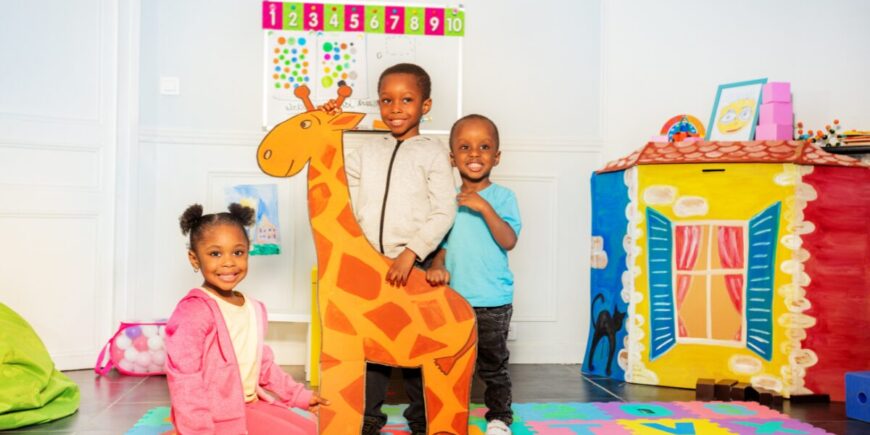
Every child is unique in how they grow, interact, and communicate with others. Some children are naturally more reserved and take time to open up to new people or environments. These children are often labeled as “shy.” On the other hand, some children exhibit communication and behavioral patterns that fall under the autism spectrum. The topic of “Shy Child vs. Autism” is a common area of concern for parents, educators, and caregivers trying to understand what they observe in a child’s development.
This article explores the key differences between shyness and autism, common misconceptions, and when professional intervention like home ABA therapy for autism, may be helpful.
Understanding Shyness
Shyness is a personality trait. Shy children may feel anxious or nervous in unfamiliar social situations but usually warm up once they feel safe. These children typically:
- Maintain age-appropriate social skills in familiar settings
- Display a desire to interact but may need more time
- Communicate effectively at home
- Show flexible thinking and behavior
Shy children usually don’t have developmental delays. With gentle support and exposure to social settings, most grow more confident with time.
What Is Autism?
Autism Spectrum Disorder (ASD) is a neurodevelopmental condition characterized by differences in communication, behavior, and social interaction. Autism is not a phase or a personality trait—it is a lifelong condition with varying levels of support needs.
Children with autism may:
- Avoid eye contact consistently
- Show limited interest in peer interaction
- Engage in repetitive behaviors (e.g., hand-flapping, lining up toys)
- Struggle with verbal and non-verbal communication
Unlike shyness, autism affects multiple areas of development, and the symptoms are present in both familiar and unfamiliar settings.
Shy Child vs. Autism: Key Differences
Understanding the differences between a shy child and autism is crucial for parents and professionals to make informed decisions. Here are the primary distinguishing factors:
Desire to Connect vs. Difficulty Connecting
- Shy children usually want to connect with others but feel nervous.
- Children with autism may not express a desire to connect or may have trouble understanding how to.
Communication Skills
- Shy children often speak comfortably with trusted individuals.
- Children with autism may have delayed speech, use repetitive language, or struggle with back-and-forth conversation.
Consistency of Behavior
- Shy children behave differently in new environments but show typical behaviors at home.
- Children with autism show persistent traits across all settings, including at home, school, and during play.
Flexibility of Thought and Behavior
- Shy children adapt to new routines with encouragement.
- Children with autism often resist changes, showing distress over minor disruptions.
Non-verbal Communication
- Shy children can usually read social cues (like facial expressions).
- ASD children may find it hard to interpret or use gestures, facial expressions, and tone of voice.
Common Misconceptions
“He’s just shy—he’ll grow out of it.”
Many parents delay seeking evaluations because they believe their child is merely shy. However, ignoring signs of autism can delay early intervention, which is critical for success. Providers offering in-home ABA therapy for autism, can help assess and support children at the earliest stages.
“She talks at home, so she can’t be ASD.”
While some ASD children talk more at home than in public, speech alone isn’t a reliable indicator. It’s important to consider the quality of communication, social reciprocity, and functional use of language.
“He avoids eye contact because he’s shy.”
Eye contact avoidance in shy children is usually brief and situational, whereas for ASD children, it’s more persistent and discomforting.
When to Seek Help
If you’re unsure whether your child is simply shy or showing early signs of autism, consider the following red flags:
- Limited or absent eye contact
- Delayed language or lack of functional speech
- Little interest in peers
- Unusual or repetitive body movements
- Strong resistance to routine changes
- Intense focus on specific objects or topics
In such cases, scheduling an evaluation with a developmental pediatrician or psychologist is crucial. Based on the outcome, services like ABA therapy in home Atlanta GA, can be recommended.
Role of ABA Therapy in Autism
Applied Behavior Analysis (ABA) is a scientifically backed therapy used to improve communication, learning, and social behaviors in children with autism. In-home ABA therapy services in Atlanta, GA, provide personalized support in the child’s natural environment.
These services offer:
- Individualized treatment plans tailored to each child’s strengths and needs
- Parent training to promote consistency and progress at home
- Skill-building in areas like communication, play, social skills, and self-care
- Behavior management strategies to reduce challenging behaviors
Families seeking in-home ABA therapy near me can also explore school-based ABA therapy services, which provide structured support during school hours. The combination of home and school-based therapy often yields the best outcomes.
How In-Home ABA Therapy Supports Families
Unlike clinic-based services, in-home ABA therapy focuses on applying interventions in the context of everyday life. This approach is especially beneficial for:
- Children who struggle in unfamiliar settings
- Families who need flexible scheduling
- Targeting real-world behaviors (e.g., dressing, eating, playing with siblings)
In cities like Atlanta, families searching for home ABA therapy Atlanta GA will find experienced providers offering comprehensive care tailored to both the child and the family’s needs.
Supporting a Shy Child
For shy children without autism, structured social exposure and emotional support are often enough. Helpful strategies include:
- Encouraging participation in small group activities
- Modeling confident behavior
- Offering praise for social efforts
- Avoiding pressure or forced interaction
- Building predictable routines
If shyness affects your child’s school performance or self-esteem, consulting a child psychologist or counselor may still be beneficial. However, therapy goals will differ from those for children on the autism spectrum.
Final Thoughts
Understanding the difference between a shy child vs. autism can help families make informed choices without unnecessary worry or delay. While both shy children and children with autism may appear socially withdrawn, the underlying reasons and support strategies differ greatly.
Parents should trust their instincts. If you notice consistent difficulties across settings and stages, a professional evaluation is a wise step. When autism is identified early, in-home ABA therapy services in Atlanta, GA, and school-based ABA therapy services can make a life-changing difference.
Whether your child is simply shy or navigating the challenges of autism, there is support available. The key is early understanding, appropriate intervention, and compassionate guidance—empowering your child to thrive in their own unique way.
At Aim Higher ABA, we believe in nurturing potential through personalized, in-home ABA therapy programs. Whether you’re searching for ABA therapy at home near me, in-home ABA therapy services near me, or support in Atlanta, GA, our expert team is ready to help your child build skills that matter—for today and tomorrow.
🌟 Contact us today and experience the ⭐️⭐️⭐️⭐️⭐️ difference!
FAQs
What is the main difference between a shy child and a child with autism?
The key difference lies in the underlying cause of the behavior. A shy child usually wants to engage socially but feels anxious in new situations, while a child with autism may have difficulties understanding social cues and forming connections. Autism affects communication, behavior, and social interaction on a broader and deeper level.
Can a shy child be mistaken for a child with autism?
Yes, it’s common for shy children to be mistakenly assumed to have autism due to their quiet or withdrawn behavior. However, shy children typically adjust over time and exhibit strong communication and emotional understanding in familiar settings. Autism symptoms, on the other hand, are more consistent across all environments.
At what age can parents start noticing signs of autism?
Signs of autism can appear as early as 18 months, but most children are diagnosed between 2 to 3 years old. If you observe delayed speech, lack of eye contact, or limited social interest, consider scheduling a developmental evaluation.
When should parents seek professional help to determine if their child is shy or ASD?
If your child shows persistent social and communication challenges across different settings, avoids interaction with peers, has unusual speech patterns, or engages in repetitive behaviors, it’s best to consult a specialist. Early intervention programs such as home ABA therapy in Atlanta GA can be recommended based on the evaluation.
How does in-home ABA therapy help children with autism?
In-home ABA therapy services in Atlanta GA provide personalized care in a familiar environment, helping children build social, communication, and daily living skills. Therapists work closely with families to develop routines and reduce challenging behaviors using evidence-based strategies.
Can shy children benefit from therapy too?
While shy children may not need ABA therapy, they can benefit from child counseling or play therapy to build confidence and develop social skills, especially if shyness affects their well-being or school performance.
What are the signs that my child may need in-home ABA therapy near me?
If your child exhibits repetitive behaviors, difficulty with transitions, limited language use, or challenges with peer interaction, they may benefit from in-home ABA therapy near you. A professional evaluation will determine the right course of action.
Is ABA therapy available during school hours?
Yes. School-based ABA therapy services are available and help children apply behavioral skills in educational settings. These services support both academic learning and social development alongside classroom instruction.
How is ABA therapy different in a home setting versus a clinic?
ABA therapy in home Atlanta GA allows therapists to address real-life situations within the child’s natural environment, such as mealtimes, play, or transitions. In contrast, clinic-based therapy offers a structured environment. Many families use both for well-rounded support.
What should parents do if they are unsure whether their child is shy or on the autism spectrum?
Trust your observations. If concerns persist, seek guidance from your pediatrician or a child psychologist. Early assessments and access to services like home ABA therapy Atlanta GA can make a significant difference in your child’s development.

 Previous Post
Leave Your Comment